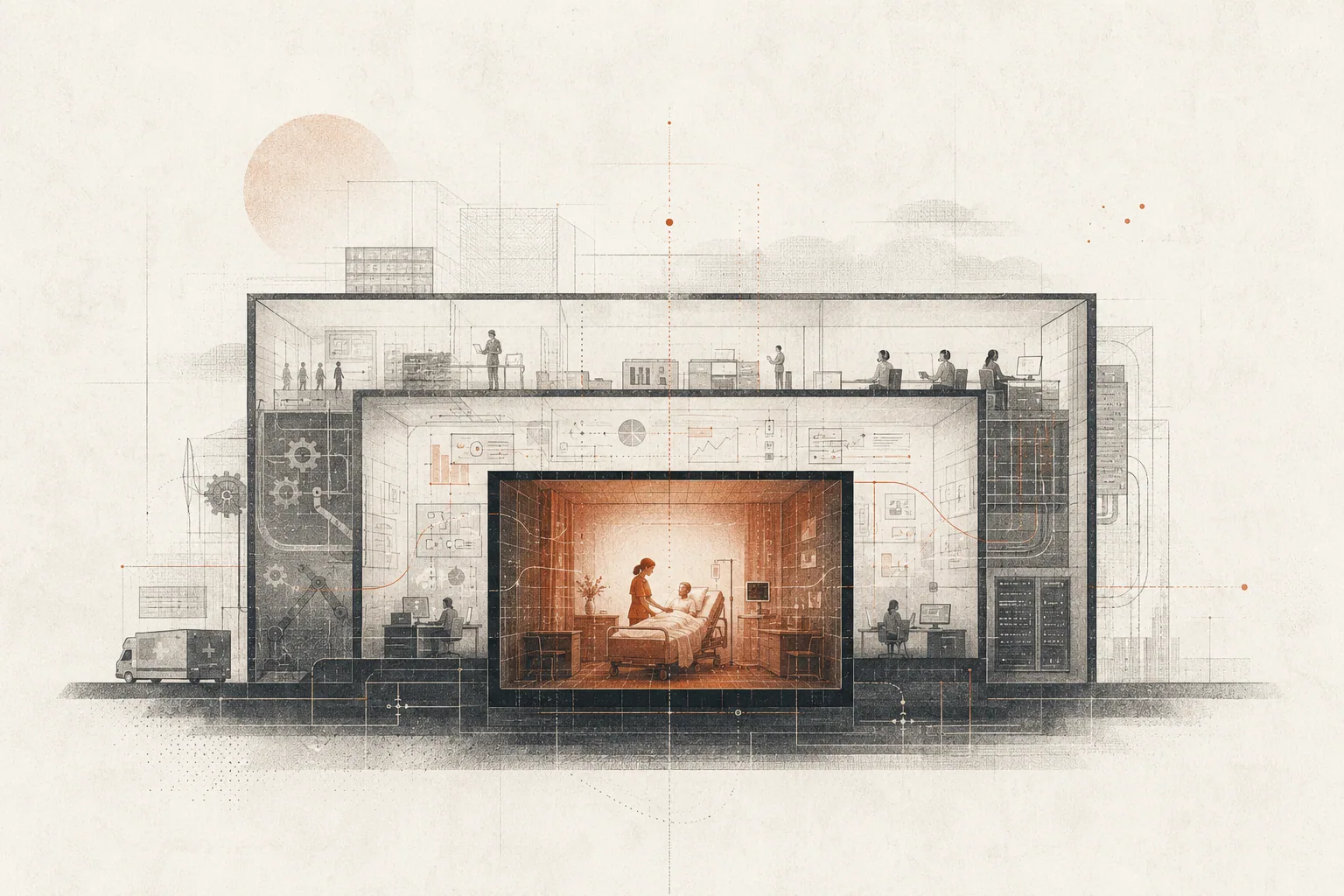
I've been thinking about what stage of health tech we're actually in when it comes to clinical deployment. Most of what's being built right now lives at the surface. The workflows that don't lean too hard on a clinician. Scheduling, voice agents answering phones and booking appointments, prior auth, billing, coding, claims follow-up, referrals, inbox triage. None of it is fully automated or even fully baked, but the amount of money and talent being poured into that layer tells you where the industry's head is at. And honestly it makes sense. Those problems look like software problems. Forms in, approvals out. If the agent gets confused it escalates to a human and nobody gets hurt.
The bedside is different
The next level is the part I find way more interesting, and way harder. Penetrating the nitty gritty workflows that require deep clinical expertise. And for me the current clearest example of that is nursing.
If you think about the operational structure of a hospital in terms of agentic workflows, the physician or NP or PA is basically the orchestrator. They set the plan. Admit this patient, start these meds, order these labs, get this consult. The nurse is the worker agent executing that plan at the bedside.
Except the second you sit with that analogy it falls apart, and where it falls apart is the entire point. A worker agent follows instructions. A nurse follows instructions while reasoning objectively and subjectively the whole way through. Is this patient deteriorating or just tired? The daughter at the bedside is asking a question the care team hasn't answered yet, and how you handle it decides whether the family trusts anything that happens after. Three call lights going off, one of them actually matters, and knowing which one is the crux of the job. Med safety checks dozens of times a shift, every single one a small judgment call sitting on top of a protocol. All of this going on while a never-ending stream of distractions pours in.
Then stack the documentation on top. Intake for admissions, which is a whole thing entirely: history, med rec, skin assessment, fall risk, on and on. Charting constantly through the shift. Discharges with all the teaching and paperwork and making sure the patient actually understood any of it. So the work is documentation-heavy and face-to-face at the same time, which is precisely the combination our tools have been worst at. Ambient scribes were initially built for a physician's visit. There are complexities, but the framework is generally consistent: one conversation, clear start, clear end. A nurse's twelve hours has no shape like that. Now we have large, successful incumbents tackling this exact problem. The fact that the strongest ambient player had to essentially rebuild the product to fit nursing kind of proves the whole point about how different this workflow is.
Earning the right to reason
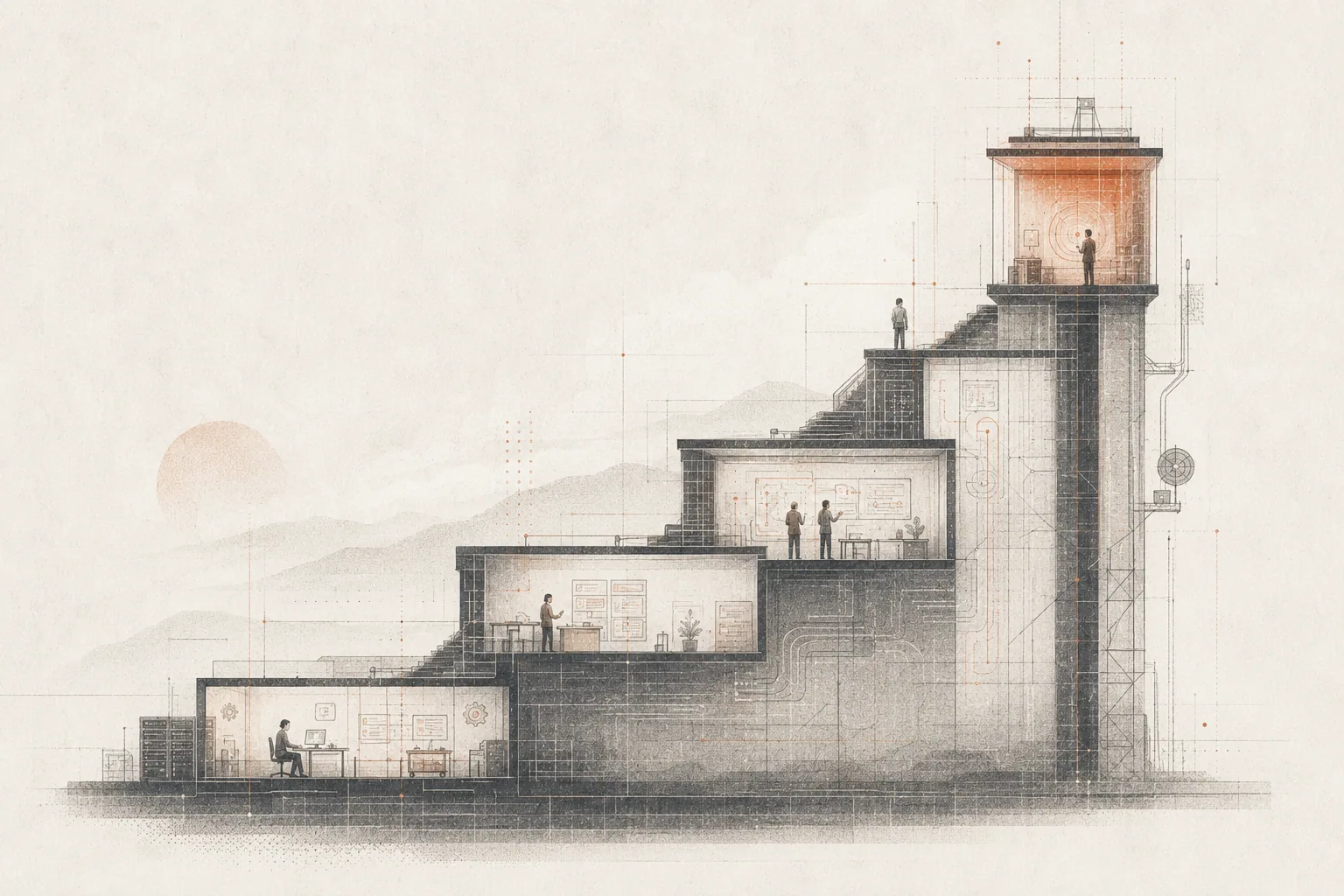
So how do you even deploy agents into this? I don't think there's one big nurse agent. I think the work breaks into pieces with really different risk levels and you probably earn your way in from the safe end. Start with documentation that just mirrors what the nurse already did. Ambient capture during intake, drafted for the nurse to verify. That's the beachhead Abridge picked and honestly it's the right one. Discharge packets assembled from the chart, teaching points drafted in plain language. Then synthesis, which I think is underrated. A nurse picking up a patient inherits hundreds of scattered data points, and an agent that builds a working picture and keeps it live as results come in is genuinely useful without prescribing a thing. Handoffs live here too. The hard tier is prioritization: helping decide what matters right now. Early warning scores exist and nurses ignore half of them because an alert with no context is just another interruption. An agent that could say why it's worried about this specific patient, and where that worry ranks against everything else on their plate, is doing clinical reasoning. I genuinely don't think any current out-of-the-box model can do that reliably. That's the frontier, and building it takes deep clinical expertise on the builder's side, not just the buyer's side.
And then there's the physical half of the job, which no amount of software touches. Turning, lifting, transferring, walking patients, responding when someone goes down. At some point humanoid robots start absorbing pieces of that, and when I think about what it takes to get there, the bottleneck is data. Immense amounts of real-world visual and motion data from real nurses doing real patient care: cluttered rooms, lines and tubes everywhere, patients who move when you don't expect it. That quietly means nurses training their own future assistants with their own expertise. We can go into this another time.
The empty center
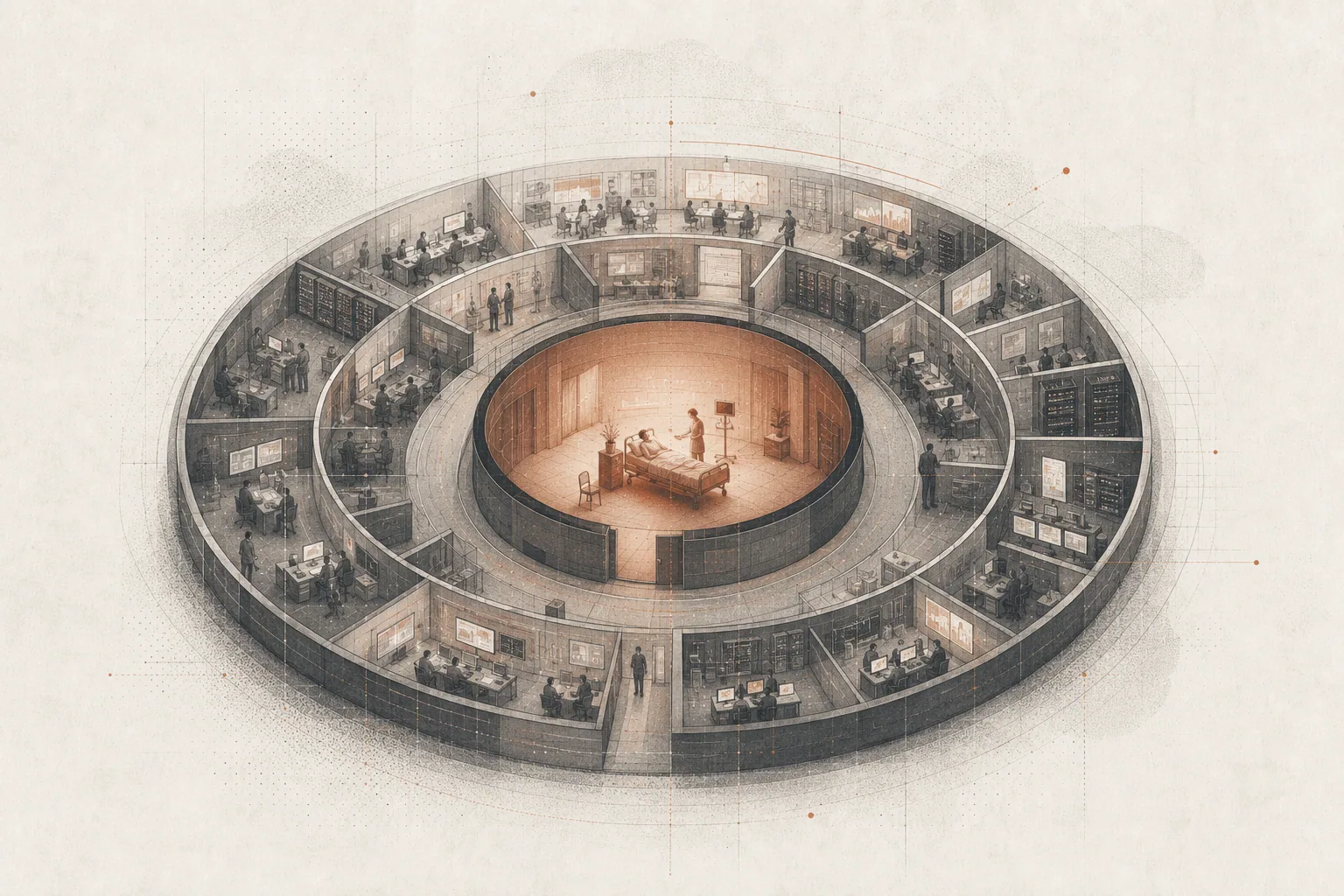
Nurses are most of the healthcare workforce and somehow near the bottom of the list for AI enablement. There are plenty of reasons, but the big one is structural. Nursing work, especially inpatient, is buried deep in the EHR, and it's a messy blend of reasoning and instruction-following that doesn't carve neatly into a product. You can't bolt on a point solution the way you can with prior auth. You'd have to build inside the workflow, inside Epic or Cerner, and most startups won't go there. Nurses rarely hold the purchasing pen either. So the largest user base in the industry gets the fewest tools, everyone fights over the outer ring, and the bedside sits mostly untouched. I keep coming back to that gap. It's a genuinely hard place to build, and I suspect that's exactly why so few people are. Which is also what makes it one of the biggest open opportunities in healthcare right now.